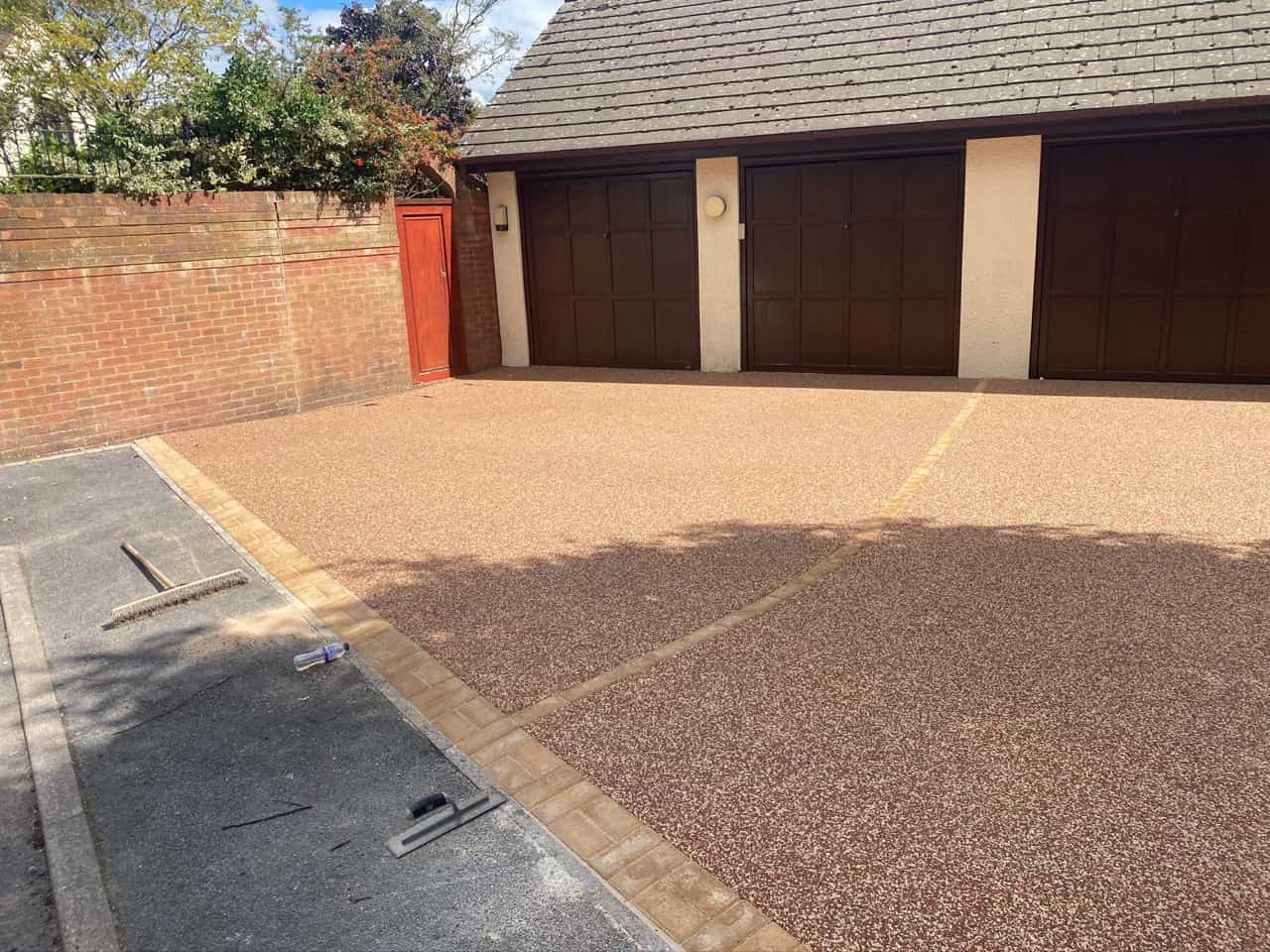
Why Edge Restraints Are Important for Long-Lasting Block Paving
Block paving is a popular choice for driveways and patios because it offers a neat, durable surface with plenty of design possibilities. However, the quality of the finished installation depends on more than the paving blocks themselves. The supporting structure and the details around the edges are equally important.
Edge restraints play a particularly important role in keeping block paving stable. They hold the outer blocks in position, prevent movement and help the surface maintain its shape under regular use. For property owners in Finedon, Northamptonshire, understanding the purpose of edge restraints can help when planning a new driveway or assessing an existing paved area.
What Are Edge Restraints in Block Paving?
Edge restraints are firm boundaries installed around the perimeter of a block-paved surface. They provide support to the outermost blocks, preventing them from spreading outwards when the surface is subjected to pressure.
They may be constructed using concrete kerbs, purpose-made edging units or other suitable materials. The choice depends on the design, layout and intended use of the paved area.
Although edge restraints are not always immediately noticeable once a driveway is complete, they form an essential part of the installation. Without adequate perimeter support, the blocks can gradually move apart, affecting the appearance and stability of the entire surface.
How Edge Restraints Prevent Block Movement
Block paving relies on individual blocks working together as a stable surface. Their interlocking arrangement helps distribute loads, but the outer edges need additional support to prevent lateral movement.
Vehicles turning, parking and driving across the surface can create repeated sideways pressure. Foot traffic and general ground movement can also contribute to gradual displacement.
Properly installed edge restraints resist these forces by holding the perimeter blocks securely in place. This helps preserve the original paving pattern, maintain consistent joints and reduce the likelihood of gaps developing between blocks.
What Happens When Edge Restraints Are Poorly Installed?
Inadequate or damaged edging can affect the performance of a block-paved driveway in several ways.
Common problems include:
- Spreading blocks: Without sufficient support, outer blocks may gradually move away from the main paved area.
- Uneven surfaces: Movement at the edges can disturb the surrounding blocks, creating sections that sit higher or lower than intended.
- Widening joints: As blocks shift, the gaps between them can become inconsistent, allowing jointing sand to escape more easily.
- Weed growth: Wider joints can provide additional space for windblown seeds and organic material to accumulate.
- Reduced structural stability: Continued movement can affect larger sections of the driveway, making the surface less consistent and more difficult to maintain.
These issues may develop gradually, which is why suitable edge support should be considered during the initial installation rather than treated as a finishing detail.
Why Proper Ground Preparation Matters
Edge restraints can only perform effectively when they are installed on a suitable foundation. The ground beneath the edging must be properly prepared and compacted to provide dependable support.
If the base is weak, uneven or poorly consolidated, the restraints themselves may move over time. This can allow the paving blocks to spread despite the presence of perimeter edging.
A well-planned installation considers the depth and condition of the sub-base, the positioning of the restraints and the method used to secure them. The edging should also be aligned carefully so that it supports the blocks without disrupting the intended driveway layout.
Choosing Suitable Edge Restraints for a Driveway
The most appropriate edging depends on how the paved area will be used and the appearance the property owner wants to achieve.
Concrete kerbs can provide a strong, defined boundary for driveways that regularly accommodate vehicles. Smaller edging blocks may offer a more integrated appearance, while decorative options can complement the style of a patio or garden path.
The important consideration is that the chosen restraint must provide sufficient strength and stability for the expected use of the surface. Its installation should also account for the driveway’s shape, levels and drainage requirements.
The Importance of Professional Block Paving Installation
A durable block-paved driveway requires careful attention to every stage of construction, from ground preparation and sub-base compaction to laying the blocks and securing the perimeter.
An experienced driveway installer can assess the site, select suitable edge restraints and ensure they are properly supported. This helps reduce the risk of movement and contributes to a consistent, long-lasting finish.
For homeowners in Finedon, Northamptonshire, professional installation can help ensure that the driveway is designed around the property’s requirements rather than relying on the paving blocks alone to provide stability.
Conclusion
Edge restraints are essential for keeping block paving secure, preventing outward movement and maintaining the appearance of a driveway over time. When they are poorly installed or inadequately supported, blocks can spread, joints can widen and the surface may become uneven.
By combining suitable edging with thorough ground preparation and careful installation, property owners can help protect their paved surfaces from avoidable deterioration. Finedon Driveways & Patios provides professional driveway and paving services in Finedon, Northamptonshire. If you are planning a new block-paved driveway or have noticed movement around an existing one, contact the team to discuss your requirements.
Call us on: 01933 823 204
Click here to find out more about Finedon Driveways & Patios
Click here to complete our contact form and see how we can help with your driveways.