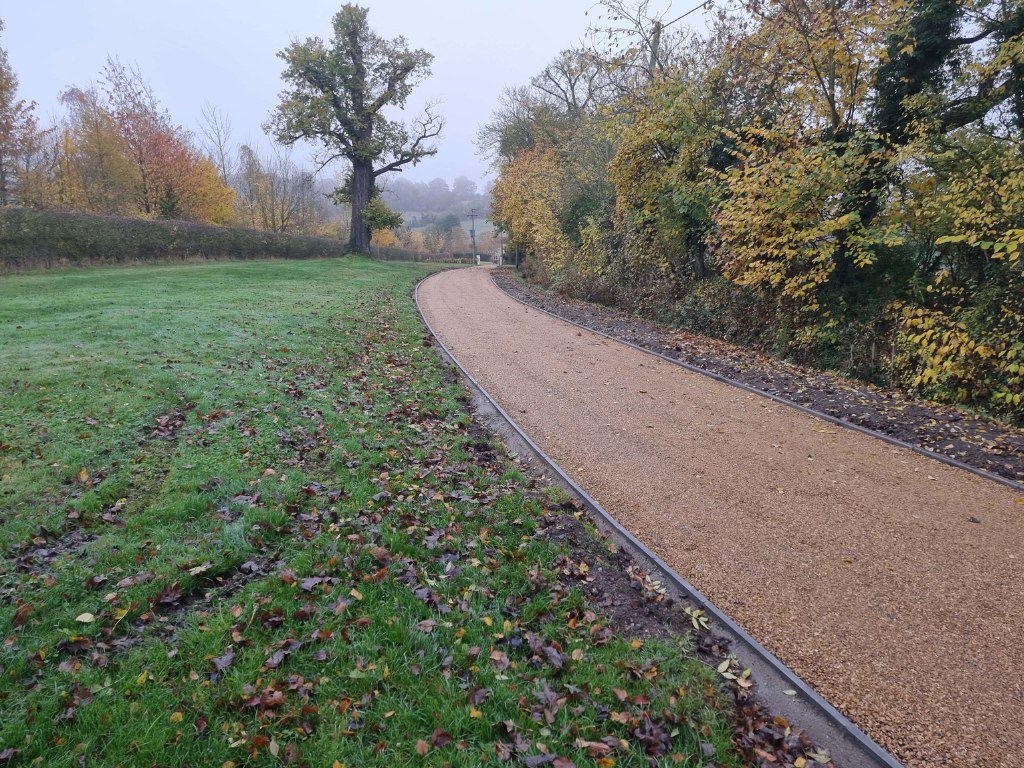
Should You Install a New Garden Path and Patio at the Same Time?
A garden path and patio perform different roles, but they are closely connected. The patio provides a practical area for sitting, dining and enjoying the garden, while paths create convenient routes between the house, patio and other parts of the outdoor space. When both need improvement, planning them together can often create a more coherent and functional result.
For homeowners in Finedon, Northamptonshire, installing a new garden path and patio at the same time can be particularly worthwhile when the existing layout feels disconnected, drainage needs improving or the garden is undergoing a broader transformation. However, the right approach depends on the condition of existing surfaces and how you want the garden to function.
Why Planning a Garden Path and Patio Together Can Make Sense
Paths and patios should not feel like unrelated surfaces placed into the same garden. Their dimensions, levels, materials and positions influence how easily people move through the space and how complete the finished landscaping feels.
Designing both together allows these details to be considered from the beginning.
Instead of deciding where a path should go after the patio has already been installed, the entire hard-landscaped area can be planned as one connected layout.
Create a More Natural Route Through the Garden
One of the most important purposes of a garden path is to guide movement.
A good path should follow a route that feels logical rather than forcing people to take an unnecessary detour. When the patio and path are designed together, the connection between them can be positioned where it will actually be useful.
This can make everyday movement around the garden easier, particularly where the path connects the patio with entrances, gates, lawns or other frequently used areas.
A carefully planned route can also reduce unnecessary traffic across planted or grassed areas.
Make the Patio Feel Connected to the Rest of the Garden
A patio can sometimes feel isolated when there is no clear transition between it and surrounding areas.
Introducing a coordinated path creates a visual and practical connection that draws the patio into the wider garden design.
Rather than appearing as a separate paved rectangle, the patio becomes part of a structured layout where different spaces relate naturally to one another.
This can be particularly effective in gardens where the patio forms the main outdoor seating area but other sections are also used regularly.
Coordinate Materials From the Beginning
Installing both areas together provides an opportunity to consider how the paving materials will work alongside one another.
The path and patio do not necessarily need to be identical, but their appearance should complement the overall garden.
Factors worth considering include:
- Paving size and proportions
- Surface texture
- Jointing details
- Edging
- Pattern and laying direction
- Transitions between different surfaces
- The style of the property and garden
Planning these elements together can prevent the garden from looking as though different areas were added without considering the overall design.
Levels Can Be Planned More Effectively
Levels are an important practical consideration when installing any paved garden surface.
A patio needs appropriate falls to manage surface water, while paths should provide comfortable transitions between different parts of the garden. If these areas are planned independently, awkward steps or changes in height can sometimes result where the surfaces eventually meet.
Designing the complete layout together allows levels to be considered across the entire area.
This can produce smoother transitions and help the patio and path function as one connected hard-landscaping scheme.
Drainage Can Be Considered Across the Whole Layout
Surface water should form part of the planning process rather than being treated as an afterthought.
A new patio changes how rainfall moves across part of the garden, and a new path can influence additional areas. Planning both simultaneously makes it easier to understand how water will move across the completed surfaces.
Falls and ground levels can then be designed so that each area works appropriately with the other.
This is particularly important where the existing garden contains low points or areas that become wet after rainfall.
One Design Can Improve Awkward Garden Areas
Paths can do more than provide access. They can also help give structure to areas that previously felt unused or disconnected.
A new path might lead around a lawn, connect an awkward corner with the main patio or create a clearer route through a narrow section of the garden.
When considered alongside a new patio, these routes can influence the overall shape of the landscaping.
Instead of treating awkward areas as leftover spaces, the design can incorporate them into a more purposeful garden layout.
Consistent Edging Creates a More Finished Appearance
Edges are an important detail in both patios and paths.
Well-defined boundaries help separate paved surfaces from lawns, planting areas and other garden features. When the path and patio are installed together, edging details can be coordinated throughout the scheme.
This can create cleaner transitions and a stronger visual relationship between different paved sections.
Good edging is not purely decorative. It can also help define the layout and support the intended shape of the hard-landscaped areas.
The Width of the Path Can Suit the Patio
A path should be proportioned appropriately for how it will be used and the space available.
If it is intended as a main route to a substantial patio, its width and positioning should feel appropriate in relation to that destination. A poorly proportioned path can make even a well-designed patio feel disconnected.
Planning the two elements together allows their scale to be balanced.
The result can feel much more deliberate than adding a narrow or awkward route after the main patio has already been completed.
Think About How the Patio Will Actually Be Used
The position and dimensions of a patio should reflect its intended purpose.
A seating area needs sufficient usable space, while furniture placement and movement through the area should also be considered. A path that enters the patio in the wrong position can interrupt these functions.
For example, a route running directly through the main seating area may make the patio less comfortable to use.
Planning circulation at the design stage allows the path to connect naturally without unnecessarily reducing the practical patio space.
Future Garden Use Should Influence the Design
A well-planned garden should work for how the space is likely to be used over the longer term.
Before installing new surfaces, it can be useful to consider whether you may want to change planting areas, lawn proportions or other garden features.
The path can then be positioned to support those plans rather than becoming an obstacle to them.
Similarly, the patio can be designed with clear connections to the areas of the garden that matter most.
Thinking beyond the immediate installation helps create hard landscaping that remains practical as the garden develops.
Installing Both at Once Is Not Always Necessary
There are situations where replacing both surfaces at the same time may not be required.
If an existing patio remains stable, drains correctly and works well with the garden, it may be perfectly sensible to retain it while improving only the path. The same applies when an existing pathway remains serviceable but the patio requires attention.
The condition and suitability of each area should be considered individually.
There is little benefit in disturbing a sound surface purely for the sake of completing both projects together.
When a Combined Project Is Particularly Worth Considering
Planning the path and patio together becomes particularly useful when both areas are ageing, the garden layout is changing or existing surfaces do not work well together.
A combined approach may be worth considering when:
- The existing path and patio are both deteriorating
- Levels between the two areas are awkward
- Drainage needs to be reconsidered
- The patio is being repositioned or enlarged
- There is no practical route between important garden areas
- Existing materials look disconnected
- The garden is undergoing a wider redesign
- You want a more consistent overall appearance
In these circumstances, looking at the garden as one complete space can produce a more considered result.
Preparation Is Important for Both Surfaces
The finished paving is only part of a successful installation.
Both paths and patios rely on suitable preparation and stable supporting layers. Correct groundwork helps maintain consistent levels and reduces the likelihood of unwanted movement developing later.
Planning the areas together allows the preparation to follow the intended layout from the beginning.
This is particularly useful where the path flows directly into the patio because the transition between the two surfaces can be constructed as part of the same coordinated scheme.
Professional Planning Can Make Better Use of Available Space
It is easy to focus on paving style while overlooking how the layout will affect everyday use.
At Finedon Driveways & Patios, we approach path and patio projects in Finedon, Northamptonshire by considering the practical relationship between surfaces, access routes, levels, drainage and the surrounding garden.
The aim is to create hard landscaping that looks appropriate while making the outdoor space easier and more enjoyable to use.
Where both a path and patio require improvement, planning them together can help ensure that neither area compromises the other.
Conclusion
Installing a new garden path and patio at the same time can be a sensible choice when both areas need improvement or when you want to create a more connected garden layout. Coordinated planning allows materials, levels, drainage, access and proportions to be considered together, helping the finished surfaces feel like parts of one coherent design.
However, replacing both is not automatically necessary. If one existing surface remains sound and works effectively, it may be better to retain it and focus attention where improvement is genuinely needed.
If you are considering a new patio, garden path or combined hard-landscaping project in Finedon, Northamptonshire, contact Finedon Driveways & Patios. We can assess the existing space and help plan a practical layout that makes better use of your garden without unnecessary work.
Call us on: 01933 823 204
Click here to find out more about Finedon Driveways & Patios
Click here to complete our contact form and see how we can help with your driveways.